
Sedum Dendroideum
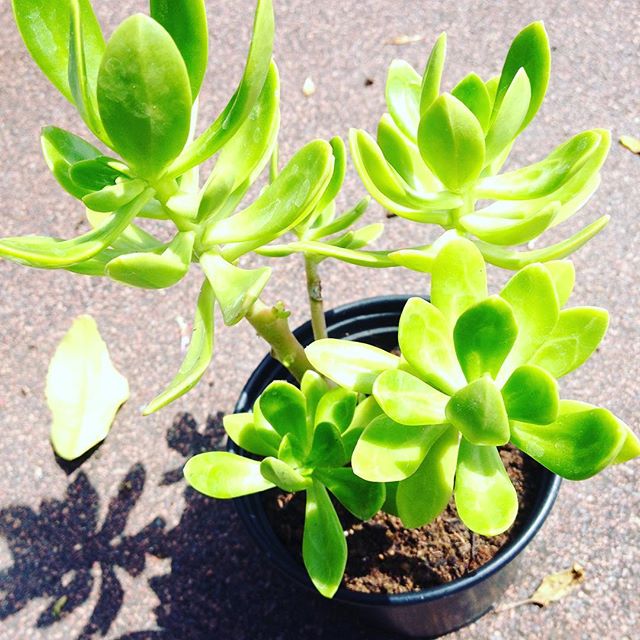
Sedum dendroideum is a small shrub up to 3 feet (90 cm) tall spreading up to 4 feet (1.2 m) wide and rooting along stems to form a large mass. Leaves are 1.5 inch (2.8 cm) long, green, spathulate with an almost ovate leaf that is easily distinguished from the only other similar species, Sedum praealtum, by the presence of subepidermal glands along the leaf margin. The large clusters of small vivid yellow, star-like flowers form above the foliage in late winter and early spring.
 Sedum is easily planted. For shorter varieties, simply laying the plant on the ground where you want it to grow is normally enough to get the Sedum plant started there. They will send out roots from wherever the stem is touching the ground and root itself. If you would like to further ensure that the plant will start there, you can add a very thin covering of soil over the plant. For taller Sedum varieties, you can break off one of the stems and push it into the ground where you would like to grow it. The stem will root very easily and anew plant will be established in a season or two.

Sedum dendroideum is a small shrub up to 3 feet (90 cm) tall spreading up to 4 feet (1.2 m) wide and rooting along stems to form a large mass. Leaves are 1.5 inch (2.8 cm) long, green, spathulate with an almost ovate leaf that is easily distinguished from the only other similar species, Sedum praealtum, by the presence of subepidermal glands along the leaf margin. The large clusters of small vivid yellow, star-like flowers form above the foliage in late winter and early spring.

How to Grow and Care
When growing Sedum, keep in mind that Sedum plants need very little attention or care. They will thrive in conditions that many other plants thrive in, but will do just as well in less hospitable areas. They are ideal for that part of your yard that gets too much sun or too little water to grow anything else. A common name for Sedum is Stonecrop, due to the fact that many gardeners joke that only stones need less care and live longer.
 Sedum is easily planted. For shorter varieties, simply laying the plant on the ground where you want it to grow is normally enough to get the Sedum plant started there. They will send out roots from wherever the stem is touching the ground and root itself. If you would like to further ensure that the plant will start there, you can add a very thin covering of soil over the plant. For taller Sedum varieties, you can break off one of the stems and push it into the ground where you would like to grow it. The stem will root very easily and anew plant will be established in a season or two.
Origin
Native to Mexico. It has been naturalized to California and Ohio.


